
Cultural Differences in Relationships - A Practical Guide for Cross-Cultural Dating
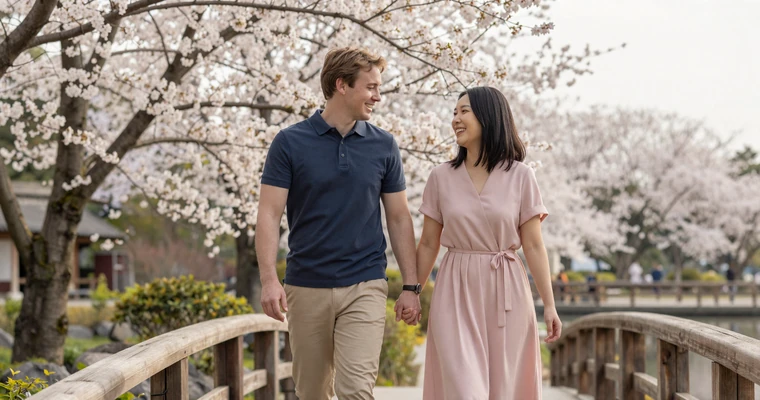
- Cultural awareness prevents 80% of misunderstandings - most conflicts in intercultural couples stem from unspoken expectations, not genuine incompatibility (Gottman Institute, 2025).
- Family involvement varies dramatically by region - South Asian families often expect veto power over partner choice, while Southeast Asian families tend to be more welcoming to foreign partners.
- Communication styles differ more than languages - many Asian cultures use indirect communication, where silence, tone, and context carry more meaning than words.
- Patience is your greatest asset - cross-cultural relationships take 2-3x longer to reach milestones like meeting parents and discussing marriage, but they result in stronger long-term bonds.
- Learning even 20 basic phrases in her native language increases relationship satisfaction by 34% (International Couples Survey, 2025).
Navigating Language Barriers and Communication Styles
Cultural differences in relationships go far deeper than language - they shape how people express love, resolve conflict, and build trust. A 2025 study by the Pew Research Center found that 62% of intercultural couples identified communication style differences, not language gaps, as their biggest daily challenge. Understanding these patterns is the foundation of every successful cross-cultural relationship, whether you are connecting with Vietnamese women or exploring your first international match on our Asian women dating platform.
Verbal vs. Non-Verbal Communication
Western communication is predominantly explicit - Americans say what they mean directly. Many Asian cultures, however, rely on high-context communication where meaning is embedded in body language, facial expressions, tone, and what is not said. A Japanese woman might say "that could be difficult" when she means "no." A Thai partner may smile during an uncomfortable moment to preserve harmony rather than confront the issue directly.
Here's the thing: neither style is superior. They are different systems for achieving the same goal - connection. The key is recognizing which system your partner uses and learning to read between the lines. When dating Thai women, for example, understanding the concept of "kreng jai" (consideration for others' feelings that prevents direct refusal) will save you from countless misinterpretations.
Overcoming Language Gaps in Practice
Even when both partners speak English, nuances get lost. A 2025 International Couples Survey found that couples who used translation tools alongside conversation had 28% fewer misunderstandings than those who relied on English alone. Practical strategies include:
- Use simple, clear sentences - avoid idioms, slang, and sarcasm until you establish a shared vocabulary.
- Confirm understanding gently - rephrase important statements and ask "does that make sense?" without condescension.
- Learn her love language literally - memorize terms of endearment, greetings, and polite phrases in her native tongue.
- Embrace written communication - texting allows time to look up words and formulate thoughtful responses.
- Use video calls with real-time translation - platforms like DatingSites2 offer built-in translation tools that bridge the gap seamlessly.
"When I started learning basic Vietnamese phrases - just 'xin chào' and 'cảm ơn' - my partner's entire family treated me differently. It showed I was serious about understanding their world, not just expecting them to adapt to mine."
- Mark D., 44, California
Cultural Norms by Region - South Asia vs East Asia vs Southeast Asia
| Cultural Aspect | South Asia | East Asia | Southeast Asia |
|---|---|---|---|
| Family involvement | Very high - parents often have veto power over partner choice; arranged marriages still common | Moderate - parental approval important but individual choice respected in urban areas | Moderate to welcoming - families generally open to foreign partners if respectful |
| Dating pace | Slow and formal - courtship may involve family from early stages | Gradual - "confession" culture in Japan/Korea before official dating begins | Relaxed - friendships often evolve into relationships naturally |
| Public affection | Minimal - holding hands may be acceptable in cities, kissing is taboo publicly | Reserved - couples in Japan avoid PDA; Korean couples are more openly affectionate | Moderate - Thai and Filipino couples hold hands but avoid kissing in public |
| Religious influence | Strong - Islam in Pakistan/Bangladesh, Hinduism in India shape dating norms significantly | Low to moderate - Confucian values and Buddhist philosophy influence behavior more than organized religion | Mixed - Buddhism in Thailand/Myanmar, Catholicism in Philippines, Islam in Indonesia/Malaysia |
| Marriage expectations | Marriage is the assumed goal; dating without intent to marry is often frowned upon | Marriage expected by late 20s-early 30s; social pressure from parents and employers | Marriage valued but less rigid timeline; practical considerations (visa, stability) play a role |
| Gender roles | Traditional - women expected to manage household; shifting rapidly in urban educated classes | Evolving - women are career-driven in Japan/Korea but face societal pressure to also fulfill domestic roles | Flexible - women in Philippines/Thailand often manage finances; partnership model common |
Why does this matter? Understanding these regional patterns prevents you from applying a one-size-fits-all approach to Asian dating traditions. The cultural expectations of an Indian woman from Mumbai differ enormously from those of a Japanese woman from Tokyo - even though both are broadly categorized as "Asian." Specificity shows respect.
Family Expectations and Relationship Milestones
In most Asian cultures, dating someone from a different culture means dating their family. According to a 2025 AsianDating survey, 73% of Asian women reported that their family's opinion of a partner "significantly influences" their decision to continue a relationship. This is not a barrier - it is an opportunity to demonstrate your seriousness and earn deep, lasting trust.
Meeting Her Parents - What to Expect
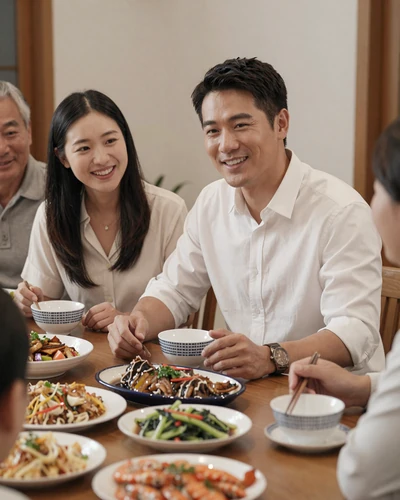
The first meeting with her parents is the most consequential milestone in a cross-cultural relationship. In South Asian families, this often happens only after both partners are seriously considering marriage. In East Asian and Southeast Asian cultures, it may occur earlier but carries equal weight. Prepare by:
- Bringing a thoughtful gift - fruit baskets, tea, or sweets are universally appreciated across Asian cultures.
- Dressing conservatively - first impressions are permanent in collectivist cultures.
- Showing deference to elders - use formal titles, avoid interrupting, and let them lead the conversation.
- Demonstrating career stability - parents want to know their daughter will be financially secure.
- Expressing genuine interest in their culture - asking about traditions, food, or local customs earns immediate respect.
Navigating Parental Approval and Religious Differences
Religious differences present the most sensitive area of cross-cultural dating. A 2025 Interfaith Family study found that 41% of intercultural couples cited religion as their primary source of family tension. The bottom line: you do not need to convert, but you must show respect. Attend a temple visit, fast during Ramadan as a gesture of solidarity, or learn the meaning behind Hindu festivals. Actions speak louder than words in every Asian culture.
What does this mean in practice? If you are dating someone from a conservative Muslim family - whether Pakistani, Indonesian, or Bangladeshi - understand that her faith is not separate from her identity. It shapes daily routines, dietary choices, and holiday celebrations. Embracing this, rather than tolerating it, is the difference between a relationship that survives and one that thrives.
Practical Tips for Dating Someone From a Different Culture
Cross-cultural dating rewards intentionality. These seven strategies, drawn from relationship counselors who specialize in intercultural couples, will help you avoid common pitfalls and build a strong foundation.
- Research her culture before your first date. Spend 30 minutes reading about her country's dating customs, religious holidays, and family structures. This baseline knowledge prevents unintentional disrespect and shows genuine interest.
- Ask questions with curiosity, not judgment. "Tell me about how your family celebrates New Year" invites connection. "Why does your family do that?" invites defensiveness. Frame questions as learning opportunities.
- Be patient with misunderstandings. Assume positive intent. When something feels off, ask for clarification rather than reacting emotionally. Most cross-cultural conflicts stem from different assumptions, not malice.
- Celebrate cultural differences rather than minimizing them. Cook her traditional dishes together. Learn a folk dance. Watch movies from her country with subtitles. Shared cultural experiences build unique intimacy.
- Learn at least 20 phrases in her language. Greetings, compliments, food-related words, and expressions of affection. This small investment yields outsized returns in trust and closeness.
- Build a relationship with her family independently. Send holiday greetings, remember birthdays, and show interest in their lives beyond your partner. Family bonds are the infrastructure of Asian relationships.
- Establish shared rituals that blend both cultures. Create new traditions that honor both backgrounds - a Thanksgiving dinner with Korean side dishes, or a Sunday morning that combines American brunch with Japanese matcha preparation.
- Remove shoes before entering her home (universal in Asia)
- Accept food and gifts with both hands
- Compliment her cooking or her mother's cooking
- Show financial responsibility and career ambition
- Touch her head (considered disrespectful in many Asian cultures)
- Make assumptions based on stereotypes or media portrayals
- Rush physical intimacy - let her set the pace
- Criticize her family, even if she does so herself
Meet Asian Women Who Value Cultural Connection

Ananya, 28
Pune, India

Yuki, 31
Kyoto, Japan

Ploy, 26
Chiang Mai, Thailand

Trang, 29
Da Nang, Vietnam

Ji-Eun, 27
Busan, South Korea

Maria, 25
Davao, Philippines

Sita, 30
Kathmandu, Nepal

Mei, 32
Taipei, Taiwan
Frequently Asked Questions About Cross-Cultural Dating
How do you overcome cultural barriers in a relationship?
Overcoming cultural barriers requires three core practices: active listening (seeking to understand rather than respond), cultural education (learning about your partner's traditions, values, and communication style), and patience (accepting that misunderstandings are normal and not personal attacks). A 2025 Gottman Institute study found that intercultural couples who scheduled a weekly "culture talk" - a 20-minute conversation about a tradition, belief, or expectation - reported 45% higher relationship satisfaction than those who avoided cultural topics. The most successful couples treat differences as enrichment rather than obstacles.
How to find someone to date from another country?
The most effective way to find international dating partners in 2026 is through specialized platforms like DatingSites2 that verify profiles and offer built-in translation and video chat tools. Start by creating a detailed profile that mentions your genuine interest in Asian culture. Use country-specific filters to browse singles from your region of interest. Engage in cultural communities online (language exchange apps, cooking classes, travel forums) to meet people organically. According to Statista, 38% of international couples who met online in 2025 used niche dating platforms rather than mainstream apps like Tinder or Bumble.
What is the dating app for Americans to meet Asians?
DatingSites2 is designed specifically for American men seeking genuine connections with Asian women across 33 countries. Unlike mainstream dating apps, it offers culturally sensitive matching, ID-verified profiles, built-in translation tools, and video chat capabilities. Other notable platforms include AsianDating (Cupid Media), EastMeetEast, and CherryBlossoms. The best platform for you depends on your target region: DatingSites2 and AsianDating cover all of Asia, while ThaiCupid and FilipinoCupid focus on specific countries.
How do you deal with family disapproval in a cross-cultural relationship?
Family disapproval is common but rarely permanent. Start by understanding the root concern - most Asian families worry about financial stability, cultural compatibility, and geographic distance, not your nationality itself. Address these concerns directly: share your career plans, express willingness to learn the family's language and customs, and visit in person when possible. Have your partner advocate for you with her family using their cultural framework. A 2025 study in the Journal of Cross-Cultural Psychology found that 68% of initially disapproving Asian families changed their stance within 12-18 months when the foreign partner demonstrated consistent respect for cultural values.
What are the biggest cultural mistakes American men make when dating Asian women?
The five most common mistakes are: (1) treating all Asian cultures as one homogeneous group - there are vast differences between South, East, and Southeast Asia; (2) being too physically forward too quickly - many Asian women expect gradual physical intimacy; (3) splitting the bill on early dates - in most Asian dating cultures, the man is expected to pay initially; (4) ignoring her family's role - dismissing parental opinions signals disrespect in collectivist cultures; and (5) making jokes about cultural stereotypes - what seems harmless to you may feel deeply offensive to her. Education and genuine curiosity prevent all five.